Retail and Shopping Center Security in Orlando
Nexus Security Firm puts licensed officers at the door and through the lot at Orlando retail centers, from a single store to a full plaza with twenty tenants. Dispatch is staffed 24 hours a day, every day.
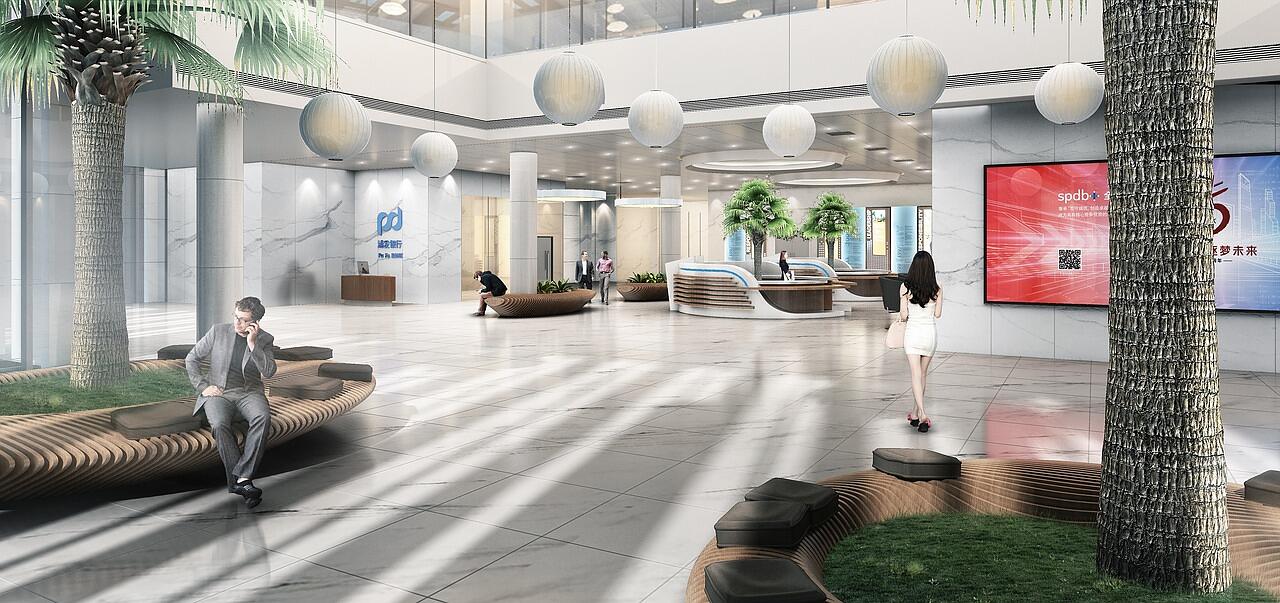
What a retail officer covers during trading hours and after
Retail coverage splits into three jobs, and a good post orders document names which of them you are buying. The first is door presence during trading hours: a uniformed officer visible at the entrance, greeting, watching the front of house and deterring the casual theft that walks out because nobody was looking. The second is the property itself: the lot, the rear service corridor, the dumpster enclosure and the vacant unit, walked on a rotation so a center of eight tenants is covered by one officer instead of eight.
The third is closing. Staff at Orlando centers routinely refuse to close alone, and an officer who escorts closers to their cars, watches the cash drop and confirms the rear doors are secured solves a staffing problem as much as a security one.
The officer also produces the record: who was warned off the property, who came back, what happened and when. That record is what a landlord takes to police, to an insurer, or into a lease conversation with a tenant who says the center is unsafe.

Who buys retail security in Orlando
Shopping center owners and their property managers make up most of this list, and the trigger is almost always tenant pressure. Retailers reported a combined 19% increase in shoplifting and merchandise theft incidents from 2024, with 66% reporting transnational organized retail crime involvement (NRF, The Impact of Retail Theft and Violence 2025), and tenants bring those numbers to the landlord when a lease comes up.
Single store operators call for a different reason, usually a specific person or a specific hour. A store with a recurring afternoon problem buys four hours a day rather than a full shift, and that is often the right answer.
The third caller is the center with a vagrancy problem in the rear service area, the vacant unit or the lot. That is the dominant recurring subject for commercial property owners, and it is a job that a standing officer and a documented trespass process handle better than anything else on the market.
What a contracted officer can and cannot do about theft
A contracted officer deters, documents and calls police, and most contracted retail security cannot detain a suspected shoplifter at all. Loss prevention professionals are direct about this: guards are valuable for door presence and for deterring casual theft, and they are the wrong tool against organized groups, where the answer is documentation, disciplined auditing and police involvement.
The measures those professionals point to first are inside the store: secured shelving, limited floor stock on high theft lines, escorting high value merchandise to the register, and auditing that gets done. An officer at the door improves all of them by changing who walks in.
Where officers are unambiguously effective is presence, witness quality and the lot. A person who sees a uniform at the entrance chooses another center. A crew that comes anyway is watched by someone who can describe them and the vehicle to Orlando police while it is happening, which is a materially better call than a report filed after the fact. We set these expectations with the landlord before a tenant meeting, because a tenant who was promised arrests will be disappointed by every security firm in Florida.
Unarmed covers most retail, and the exceptions are specific
Most Orlando retail posts are unarmed. A uniformed unarmed officer holds a Florida Class D license backed by 40 hours of FDACS approved training (FDACS Division of Licensing), and that officer does the deterrence work a storefront needs.
Armed coverage belongs where the risk at the post argues for it: a jewelry or precious metals tenant, a cash heavy operation, a pharmacy, a center with a history of armed robbery, or an overnight post where an officer is alone on a dark property. Armed officers hold a Class G license requiring 4 hours of firearms requalification each year of the two year cycle (FDACS Division of Licensing), and bill around $8 to $12 an hour above unarmed.
Officers themselves push back on arming a low risk post, arguing the added liability is not worth it, and that view is worth weighing when a tenant asks for an armed officer because the idea sounds reassuring.
What retail coverage costs and what drives the number
Central Florida retail posts run about $24 to $34 an hour unarmed and $32 to $46 armed, and the schedule decides the annual figure. A center buying Thursday to Sunday evenings pays a fraction of what a seven day standing post costs, and for most plazas the evening and closing hours carry the incidents.
Underneath the rate: Florida officer wages run $14 to $18 an hour unarmed and $18 to $26 armed (ZipRecruiter, Salary.com and Indeed, August 2026), bill rates run 1.5x to 2x the wage, the officer takes roughly 70%, and about 10% covers indirect cost (Belfry Software, 2026). The remainder pays for general liability and workers compensation coverage, supervision and uniform.
What moves a retail quote: weekend and holiday trading, late closing hours, a single short shift a week, armed status, whether the officer needs a vehicle to cover a large lot, and whether the center wants a bilingual officer. Where a landlord is splitting cost across tenants, we will say when a shorter high value window beats spreading the same money across the week.
Why Orlando retail is its own problem
Orlando retail carries 76.7 million visitors a year (Visit Orlando), and the tourism corridor changes the job. International Drive centers deal with volume, unfamiliar faces as the norm, and staff who cannot use recognition as a filter, which pushes the work toward visible presence and lot coverage. Convention weeks add to it: roughly 200 events and more than 2 million attendees a year pass through the Orange County Convention Center (OCCC / Orange County), and the surrounding retail feels every one of them.
Neighborhood centers away from the corridor have the opposite profile. Their problems are local, repeat and named: the same few people in the rear service area, the same vehicle in the lot at 2am, the vacant unit with a broken rear door. That job is about consistency and documentation over weeks.
Hurricane season sits over both. Between June and November a center may need coverage while the power is out, tenants are closed and stock is sitting behind doors that will not lock, and that is a post booked on short notice at the top of the rate band.
Posts often combined at one property
These are the posts most often written into the same property agreement.
Getting officers onto a retail property
Four steps that take a center from first call to a staffed door, with the scope written down before anyone starts.
-
Tell us about the center
The tenant mix, the hours, the trading pattern and what has been happening, including anything tenants have reported directly to you.
-
Walk the property
A supervisor covers the storefronts, the lot, the rear service corridor, the dumpster enclosure and the vacant units, and asks when incidents have been landing.
-
Post orders and rate
You get the tour route, the trespass and escalation procedure, closing escort arrangements, tenant contact rules and the rate with the factors behind it.
-
Officers start and supervision follows
The post goes live on the agreed schedule, a supervisor attends the site across the rotation, and incident documentation comes to the landlord or the property manager.
Ready to start? Call (407) 706-3431 or Request Coverage.
Why Orlando landlords use Nexus Security Firm
The limits stated before the tenant meeting
We tell a landlord what a contracted officer does about theft before the tenants are told. Presence stops casual theft and changes who walks into the center. Organized crews need documentation and police, and 66% of retailers report transnational organized retail crime involvement (NRF 2025). A vendor who lets a tenant believe officers will make arrests is setting up the meeting where the contract gets canceled.
66% of retailers report transnational organized retail crime involvement (NRF, 2025).
The record that survives the incident
Trespass warnings, repeat visitors, vehicles, times and what was done are documented and the documentation goes to the property. Landlords need that when police ask for a pattern, when an insurer asks what happened, and when a tenant claims the center is unsafe at renewal. One retail owner made the point that a recording of an incident nobody pursues deters nobody, and the difference is a report that goes somewhere.
Incident documentation delivered to the landlord or property manager.
Licensed, and the number is printed
Nexus Security Firm holds FDACS Class B agency license B 1900066, public on the FDACS Division of Licensing lookup. Officers hold Class D licenses built on 40 hours of FDACS approved training, and armed officers add a Class G with 4 hours of firearms requalification a year (FDACS Division of Licensing). Every competitor in Orlando says licensed and insured; the number is what makes it checkable.
FDACS Class B agency license B 1900066.
What Reddit Says About Retail Security in Orlando
Loss prevention professionals on Reddit are the most skeptical voices about guards as a shrink solution, and they are worth listening to. Their consistent position is that in high theft categories the answer is secured shelving, limited floor stock, escorting high theft merchandise and disciplined auditing, while guards earn their keep on door presence and deterrence of casual theft.
On organized theft the same professionals are clear that documentation and police involvement are the route, and that a guard standing between a crew and the door is a liability event waiting to happen. Working officers agree from the other side: threads about being instructed to detain draw near unanimous advice to refuse, because most contracted retail security cannot detain a suspected shoplifter, and the correct sequence is to ask the person to leave and call police if they refuse.
Commercial property owners add the point that gets missed in vendor pitches. A shopping center owner argued that people beat cameras because almost nothing at a retail property is prosecuted, so a recording of an unpursued incident deters nobody. Presence and a documented pattern are the things that change behavior at a plaza.
That is close to how we scope a retail contract, and it is why we would rather quote the hours that carry your incidents than sell a center coverage it cannot use.
A common call from a shopping center manager
The situation: A typical call from a manager running a neighborhood plaza with twelve tenants off a major Orlando road. Two stores have reported daytime walkouts rising through the year, a restaurant tenant has staff refusing to close at 10pm, and the rear service corridor has become a place people sleep. The landlord is facing a renewal with the anchor tenant and needs to show something has been done.
What gets done: The property walk finds three separate problems on one property. The walkouts are inside the stores and largely a merchandising and staffing matter the landlord cannot fix. The closing fear is real and cheap to solve. The rear corridor is a property issue with a named set of repeat visitors. The scope written is a 4pm to 11pm unarmed post six days a week: visible at the center of the storefront run through the evening, a rear corridor and lot rotation every half hour, closing escorts for every tenant that asks, and trespass warnings issued and logged with times, descriptions and vehicles.
How it turns out: The rear corridor clears within weeks, since the people using it move on once someone is logging them. The restaurant keeps its closing staff. The daytime walkouts change less, which is what the landlord was told to expect, and the tenants get a copy of the incident log at the next center meeting so the anchor can see the property side has been addressed. The contract stays at six evenings, because adding mornings would have bought hours with nothing in them.
Retail security questions from Orlando landlords
What center owners, property managers and store operators ask before buying coverage.
Call (407) 706-3431