After Hours Mobile Patrol in Orlando
Nexus Security Firm runs marked vehicle patrols through Orlando commercial property between close and open, with checks timed against when your incidents happen. Dispatch is staffed 24 hours a day, every day.
What happens on a patrol check
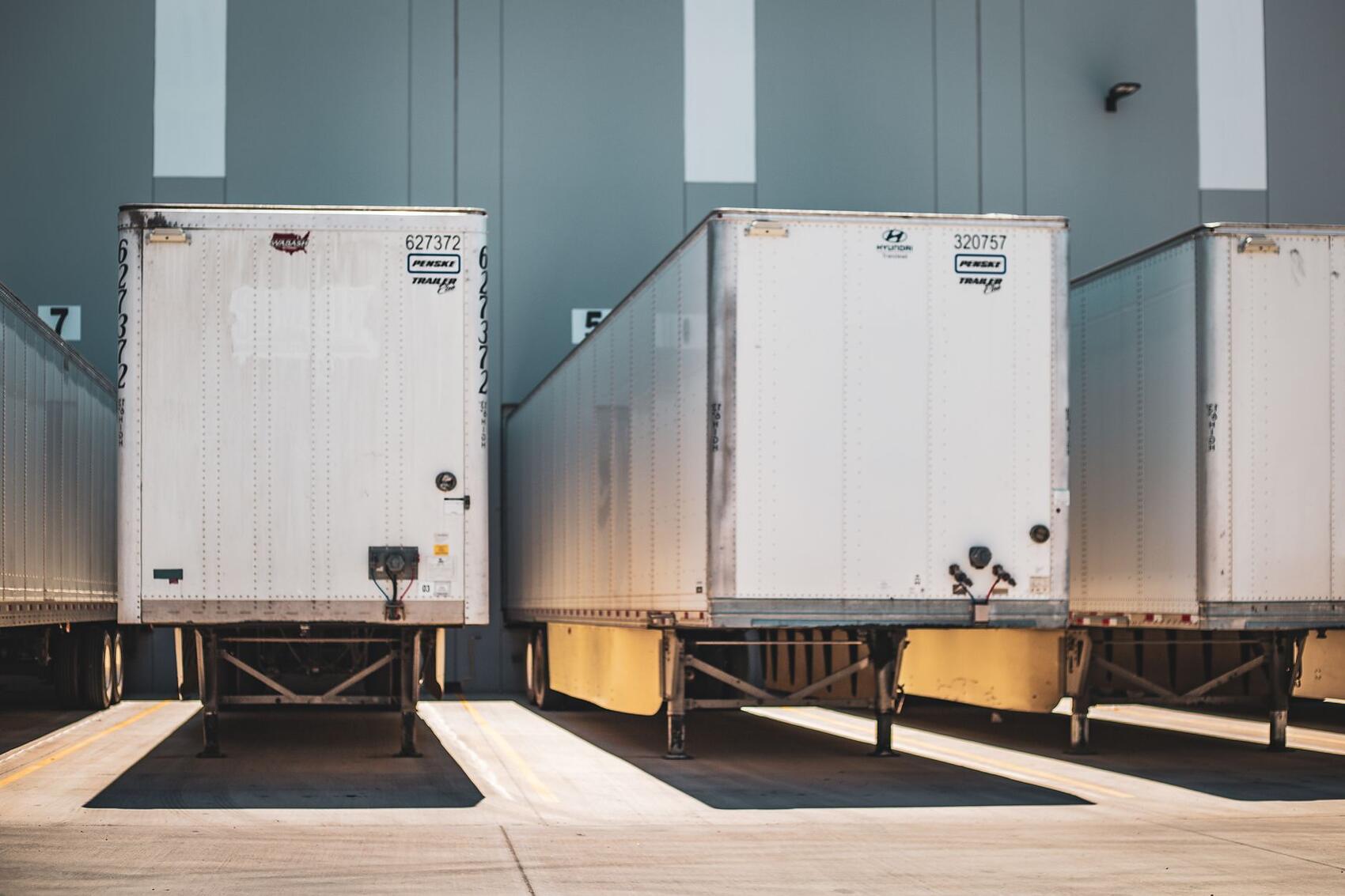
A check is a defined piece of work, and the definition is what separates patrol worth buying from a drive past. On a commercial property, a check means the officer parks the marked vehicle where it can be seen, walks the perimeter or the designated route, tests the doors named in the post orders, looks at the lot and the rear service area, clears people from the property where that is part of the scope, and records the visit with a time.
The frequency and the route come from your property. A plaza with a rear corridor problem gets a route that ends there each time. A vacant unit or a building between tenants gets doors and windows checked. An industrial unit gets the yard and the fence line. Randomized timing is part of the design, because a patrol that arrives at midnight and 3am every night has published its own schedule.
Each check produces a record, and the property gets it. Where an officer finds something, whether that is an unsecured door, a person on site, a vehicle that should not be there or damage, it is documented and the after hours contact named in the post orders is called.
See what a staffed post at your property runs per month
A standing post is billed by the officer hour, so the coverage pattern sets the cost. Five questions turns a schedule into a monthly and annual range you can hold a proposal against.
Built from Florida wage data (ZipRecruiter, Salary.com, Indeed, 2026) and the 1.5x to 2x bill-rate markup reported for the industry (Belfry Software, 2026). A walk of the property sets the actual rate.
Where patrol works better than a standing post
Patrol is the right purchase when a property needs presence across hours where nothing happens most nights. A standing officer at a property with three incidents a year is buying 8,760 hours to cover three, and the money is better spent on checks through the risk window.
The buyers who get the most from it are landlords with several properties, since route density is the main cost driver in patrol work and buildings a few minutes apart share drive time. Buyers in the trade actively advise finding an agency already covering something nearby for exactly that reason. Other strong cases are a property between tenants, a building with a recent break in where visible presence is the deterrent needed, a construction adjacent property inheriting traffic, and a business whose staff finish at 9pm and want the lot checked as they leave.
Patrol also works as a supplement. A center with a staffed evening post can add two overnight checks for far less than extending the post to a full night, which is a common answer when a budget is fixed.
How patrol is priced and what a check is worth
Patrol prices per check, and the market range is wide because the definition of a check varies enormously. Operators openly discuss a legacy drive by at $8 to $15 per check, a properly walked check at around $55 with three checks a night described as competitive, and up to $100 for a substantial check with a long route. What you are buying at the low end is a vehicle passing your address; what you are buying at the higher end is an officer out of the car with time on site.
Route density sets the rest. A property on an existing route costs less than one that requires a dedicated trip, and a portfolio of buildings within a few minutes of each other prices better per check than the same buildings scattered across three counties.
The practical way to look at it is monthly. Three checks a night, seven nights, is roughly 90 checks a month, and that number multiplied by your per check rate is the figure to compare against a standing post at $24 to $34 an hour unarmed (Central Florida range). For a lot of commercial properties the patrol number is a third of the post number, and for a property with a live, recurring problem the post is still the right buy. We will tell you which one your incident pattern points to.
The gap problem, and how a schedule gets built around it
Coverage bought around the wrong hours is the most common complaint from buyers who felt let down by a patrol contract. The pattern buyers describe is contracting checks across part of the night and being hit during the rest, then being told that the property was outside the covered window when it happened.
So the schedule starts from your incident history. If break ins have landed between 2am and 4am, the checks go there. If the vandalism is on Friday and Saturday, the weekend gets more checks than the weekday. Where there is no history, the checks are spread and varied for the first period and adjusted once the reports show where the activity is.
The second half is what a check cannot do. Fifteen minutes on a property leaves a window, and a patrol contract that implies otherwise is selling something nobody delivers. Trade experience is blunt about it: a job box got broken into with security on the site, because coverage only protects the ground the patrol reaches. Where the risk profile of a property needs continuous presence, we will say so and quote the post instead.
What Orlando geography does to a patrol route
Orlando patrol economics are shaped by distance. Commercial property here is spread along corridors rather than stacked in a dense core: International Drive, the Colonial and Semoran corridors, Orange Blossom Trail, the Alafaya and 417 belt, and the Sanford, Apopka and Kissimmee edges. A route that crosses two of those corridors spends its night driving, which is why properties near each other price better and why we will say when your address sits far from an existing route.
The tourism economy sets the hours. With 76.7 million visitors in 2025 (Visit Orlando) and roughly 200 convention center events drawing more than 2 million attendees a year (OCCC / Orange County), properties near the corridor have late traffic that never quite stops, while a suburban office park empties at 7pm and stays empty. Those two need different check patterns.
Hurricane season changes the job between June and November. After a storm, a patrol check becomes a damage report: doors that no longer latch, standing water, debris in the lot, and stock sitting behind a broken frame. Properties often add checks during an outage, which is short notice work at the top of the rate band.
Checking the license behind a patrol contract
Patrol work in Florida requires the same Chapter 493 licensing as a standing post, and it is public record. Nexus Security Firm holds FDACS Class B agency license B 1900066, searchable on the FDACS Division of Licensing lookup, and officers hold Class D licenses built on 40 hours of FDACS approved training, with a Class G for armed work carrying 4 hours of firearms requalification each year of the two year cycle (FDACS Division of Licensing).
Patrol is the service where unlicensed operators appear most often, because a marked vehicle and a uniform look like the whole product. Ask any patrol bidder for the agency license number, for proof of general liability and workers compensation coverage, and for a sample of the check report you will receive.
Where a patrol vendor also offers to put in cameras or an alarm as part of the package, that is a separate Florida certification for alarm system contractors. Our license covers officers, patrol and staffed posts, and we perform no installation, service, design or remote monitoring of security equipment.
Posts often combined at one property
These are the posts most often written into the same property agreement.
Setting up a patrol route
Four steps to a scheduled patrol with a route built for your property.
-
Tell us the property and the pattern
Address, property type, close and open times, and when incidents have happened. Dispatch is staffed 24 hours a day, every day.
-
Drive and walk the site
A supervisor visits after dark to see the lot lighting, the access points, the rear areas and how long a proper check takes at that address.
-
Check definition, schedule and rate
You get a written definition of what a check includes, the number of checks, the randomized window, the escalation contacts, and the per check rate with a monthly figure.
-
Patrols start and reports follow
Checks begin on the agreed schedule, each visit is recorded and reported, and a supervisor reviews the route against what the reports are showing.
Ready to start? Call (407) 706-3431 or Request Coverage.
Why properties keep the patrol contract
A check with a written definition
What happens on your property during a check is set out before the contract starts: where the vehicle parks, the walked route, which doors get tested, which areas get cleared and what gets reported. The trade prices checks anywhere from $8 for a drive by to $100 for a substantial walked check, and a contract that says only the word check is hiding which of those you bought.
Per check scope agreed in writing, with the route timed on site.
Times that vary on purpose
Check times are randomized inside your risk window, and the window comes from when your incidents happened rather than from a convenient route order. A patrol that arrives at the same hours every night has told anyone watching when the property is free, and buyers who were hit during the hours they did not buy are the most common unhappy patrol clients in the trade.
Randomized check windows set from your incident history.
A report for every visit
Each check produces a record with a time, and the property gets them whether the night was eventful or not. That answers the question patrol buyers have, which is whether anyone came at all. Nexus Security Firm holds FDACS Class B agency license B 1900066, and both the agency and the officers are checkable on the FDACS public lookup before you sign anything.
FDACS Class B agency license B 1900066.
What Reddit Says About Mobile Patrol in Orlando
Patrol is the one security service where operators discuss pricing openly, and the numbers are worth knowing before you take a quote. Legacy drive bys get quoted at $8 to $15 per check. A properly walked check runs around $55, with three checks a night described as a competitive package, and a substantial check on a large property reaches $100. Operators also advise presenting the cost as a monthly figure, since the per check number sounds small and the monthly number is the one a budget has to carry.
Route density is the factor buyers are told to use. Threads consistently advise finding a company already patrolling nearby, because a property on an existing route costs less to cover than one that pulls a vehicle across town.
The warning that repeats is about gaps. One property bought four hours a night across four nights of the week and took a break in during the hours nobody was covering, which is the shape of most patrol disappointment. Contractors add the related point that coverage only protects where the patrol reaches, after describing a job box opened while security was on the property.
A patrol schedule here is built from those three findings: define the check, price it against the route, and put the checks where the incidents have been.
A typical multi property patrol call
The situation: A common call from an asset manager holding four small commercial properties across Orlando: two neighborhood plazas, a light industrial unit and an office building between tenants. Nothing dramatic has happened at any single address, but across the portfolio there has been a broken rear door, catalytic converter theft from a tenant vehicle, graffiti on the vacant unit, and a growing complaint from a plaza tenant about people in the lot after close.
What gets done: Three of the four properties sit within a ten minute run of each other and the fourth is a fifteen minute detour, so the route is built around the cluster with the outlier taking one check a night instead of three. The written check definition has the officer out of the vehicle at every property: a lot sweep at the plazas including the rear corridor, a full door and window check at the vacant building, and a fence line and yard walk at the industrial unit. Timing is randomized inside a 10pm to 5am window, weighted toward the small hours at the industrial unit and toward the hour after close at the plazas, where the tenant complaint sits. Every check reports back with a time, and the after hours contact tree is set per property.
How it turns out: The visible marked vehicle does most of the work at the plazas within the first month, and the lot complaint stops. The vacant building produces two findings worth having: an unsecured rear door left open by a contractor, and a squatter entry attempt documented and reported to police. The industrial unit stays quiet, and its check count drops to two a night at the next review, which lowers the monthly figure. The asset manager gets one report set covering all four addresses, which is what makes the line item defensible at budget time.
Mobile patrol questions from Orlando buyers
What commercial property owners and managers ask before buying checks.
Call (407) 706-3431